Grooming & Coat
Bathing vs Wipes vs Dry Shampoo: Which is Best?
By Marko · January 2, 2024 · Updated September 24, 2026
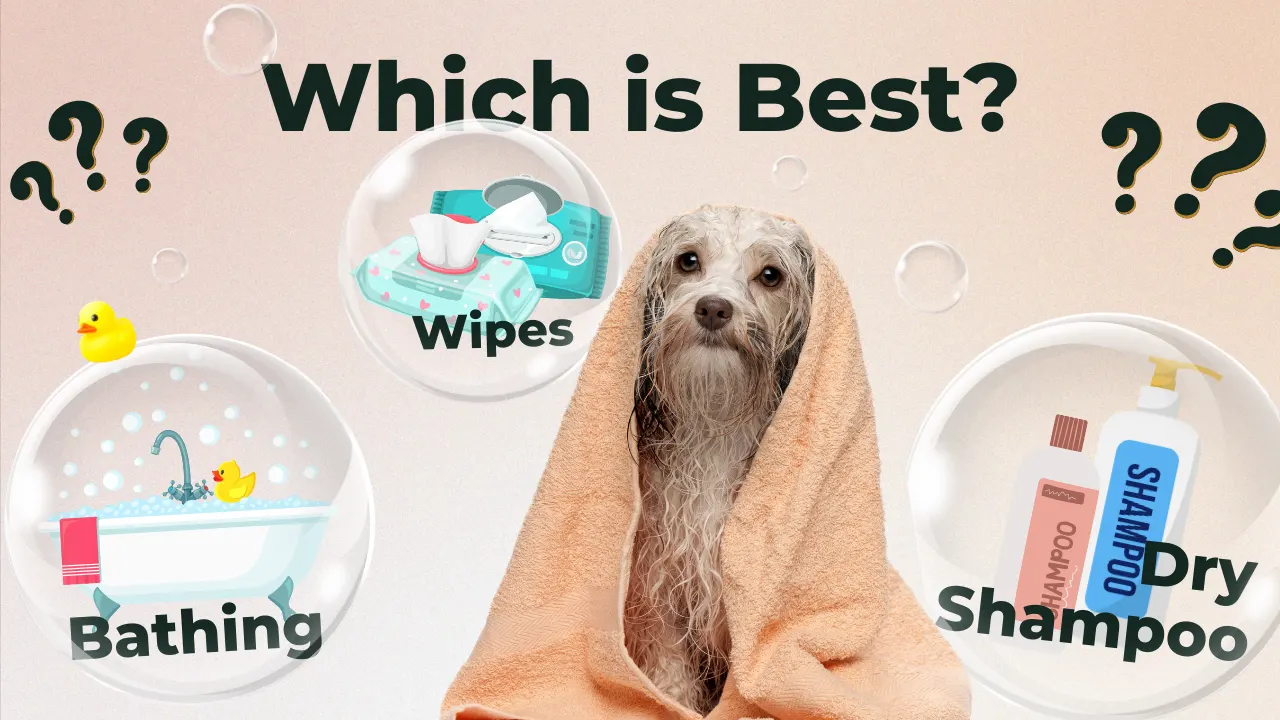
As a pet owner, one of the essential aspects of caring for your furry friend is maintaining their cleanliness. However, with various options available, such as bathing, wipes, and dry shampoo, it can be challenging to determine which method is best for your pet’s specific needs.
Key Takeaways
- A full bath is for a dirty or smelly poodle. Wipes and dry shampoo are quick fixes between baths.
- Wipes suit feet, faces and small spots, not a whole dog.
- Dry shampoo lifts surface grease but does not clean the skin, and too much can irritate it.
- Over-bathing strips the coat oils and can cause dry, itchy skin. Every four to six weeks suits most poodles.
- Dry the coat and ears properly after a bath, because damp fur is where odor and infections start.
Bathing
Bathing your pet is a traditional and effective method for maintaining their hygiene. Here are some key points to consider:
- Thorough cleansing: Bathing provides a deep clean by removing dirt, debris, and unpleasant odors from your pet’s coat and skin.
- Skin and coat health: Regular baths can help prevent skin issues, such as dryness or excessive oiliness, and promote a healthy, shiny coat.
- Bonding time: Bathing your pet can strengthen the bond between you and your furry companion, as it allows for physical contact and interaction.
- Frequency: The frequency of bathing depends on the pet’s breed, coat type, and activities. Dogs that spend more time outdoors or have skin conditions may require more frequent baths.
However, it’s essential to consider the following factors before opting for regular baths:
- Drying time: Properly drying your pet after a bath is crucial to prevent skin irritation or infections. Some pets may not enjoy the drying process and may become anxious or stressed.
- Water sensitivity: Certain animals, such as cats, may be averse to water and find bathing distressing. It’s important to consider your pet’s comfort level and choose a bathing method that suits them.
- Skin conditions: Pets with sensitive skin or existing skin conditions may require specialized shampoos or prescription baths. Consult with your veterinarian for guidance on the most suitable products.
- Environmental impact: Frequent bathing can lead to excess water usage. If you are concerned about water conservation, it’s worth exploring alternative methods.
Wipes
Pet wipes are a convenient option for quick clean-ups and in-between baths. Let’s explore the advantages and considerations of using wipes:
- Convenience: Pet wipes are easy to use and readily available. They provide a quick solution for freshening up your pet’s coat and paws.
- Portable: Pet wipes are compact and travel-friendly, making them ideal for on-the-go cleaning, especially during outdoor adventures or trips.
- Targeted cleaning: Wipes are effective for spot cleaning specific areas, such as the face, paws, or tail. They can help manage dirt, allergens, and odor between baths.
- Sensitive areas: Wipes are gentle on sensitive areas, such as around the eyes or ears, where using water may not be practical or safe.
However, there are a few points to consider before relying solely on wipes:
- Limited cleansing: Wipes may not provide the same level of cleanliness as a bath. They are more suitable for touch-ups and maintenance rather than deep cleaning.
- Residue and allergies: Some pets may be sensitive to the ingredients in wipes, leading to skin irritation or allergies. Always opt for pet-specific wipes and check for any adverse reactions.
- Environmental impact: Like any disposable product, pet wipes contribute to waste. Look for eco-friendly options or consider reusable washcloths for a more sustainable choice.
Match the method to the mess. A muddy walk calls for a rinse of the paws and belly, not a full bath. A greasy or smelly coat needs a proper wash with water and a dog shampoo, because wipes and dry shampoo only touch the surface. Save the dry shampoo for a quick freshen-up, and do not rely on it to clean the skin.
Dry Shampoo
Dry shampoo offers an alternative to traditional bathing methods. Here’s what you need to know:
- Waterless cleaning: Dry shampoo allows for cleansing without the need for water. It typically comes in a powder or spray form.
- Time-saving: Dry shampoo is quick to apply and requires minimal effort compared to a full bath. It can be particularly beneficial for pets who dislike water or have mobility issues.
- Oil absorption: Dry shampoo helps absorb excess oils and refresh the coat, providing a cleaner appearance between baths.
- Scented options: Dry shampoos often come in scented varieties, leaving your pet smelling fresh and pleasant.
However, consider the following before relying solely on dry shampoo:
- Limited effectiveness: Dry shampoo is not as thorough as a bath and may not remove all dirt or debris from your pet’s coat. It is best suited for occasional use and touch-ups.
- Residue and allergies: Some dry shampoos may leave a residue on the coat, which can lead to skin irritation or discomfort for sensitive pets. Choose products specifically formulated for pets and avoid those with harsh chemicals.
- Ingestion risk: Pets may groom themselves and inadvertently ingest dry shampoo if applied excessively. Ensure you use a pet-safe product and monitor your pet to preventany ingestion.
Choosing the best method for maintaining your pet’s cleanliness depends on various factors, including their comfort, specific needs, and your lifestyle. Bathing provides a thorough cleanse but requires time and proper drying. Wipes offer convenience and targeted cleaning, while dry shampoo provides a waterless option for quick touch-ups. Consider your pet’s individual preferences, any existing skin conditions, and environmental impact when making a decision.
It’s important to remember that each pet is unique, and what works for one may not work for another. Experimenting with different methods and observing your pet’s response can help you determine the most suitable approach. Additionally, consulting with your veterinarian can provide valuable insights and recommendations based on your pet’s specific needs.
Frequently asked questions
Which is best for a poodle, bathing or wipes?
They do different jobs. A bath cleans the coat and skin. Wipes handle paws, faces and small messes between baths. Use both, for the right purpose.
Can I use dry shampoo instead of a bath?
For a quick freshen-up, yes. It lifts surface grease but does not clean the skin, and overuse can irritate it. A proper bath is still needed when the coat is dirty or smelly.
How often is too often to bathe a poodle?
More than every week or two starts to strip the coat oils for most poodles. Every four to six weeks is a good default unless your poodle is genuinely dirty.
How do I dry a poodle after a bath?
Towel dry, then use a low-heat dryer if you have one, and dry the ears gently. A damp coat and damp ears are where odor and infections begin.