Poodle Colors: Genetics, Rarity & Coat Fading
A Poodle's coat colour is a moving target. Most carry the progressive graying gene, so the black puppy you meet at eight weeks may be blue by two years. This guide covers the recognised colours, the pattern coats, the merle question and the genetics behind the changes.
The recognised colours at a glance
Colour is decided by skin pigment as much as fur. Black-nosed Poodles and liver-nosed Poodles are two different genetic families.
Quick genetics: why Poodles change colour
Rule 1
The fading rule
Rule 2
The skin rule
The solid colours
These are the colours recognised by the American Kennel Club.
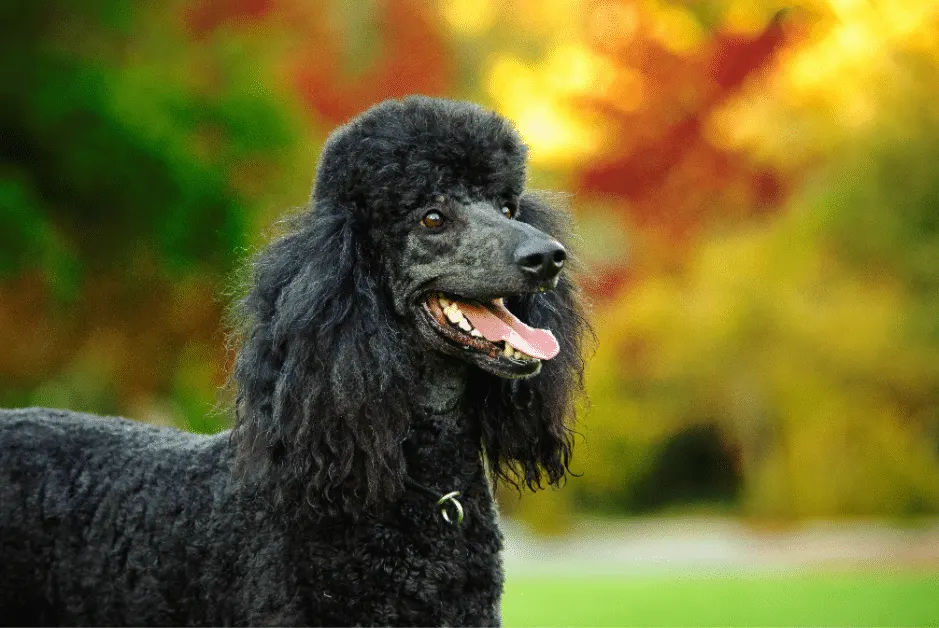
Black nose
Black nose
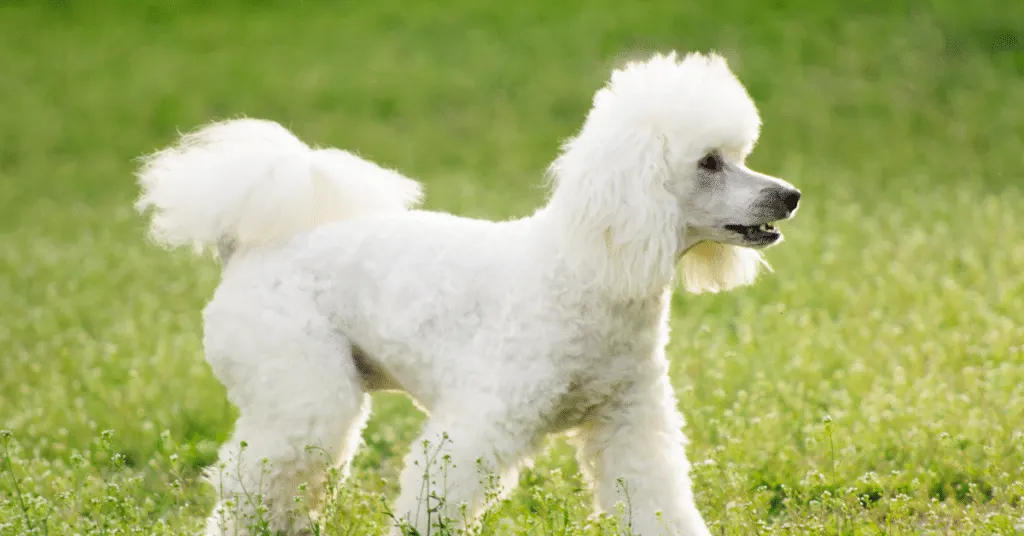
White
Liver nose
Brown family
Black nose
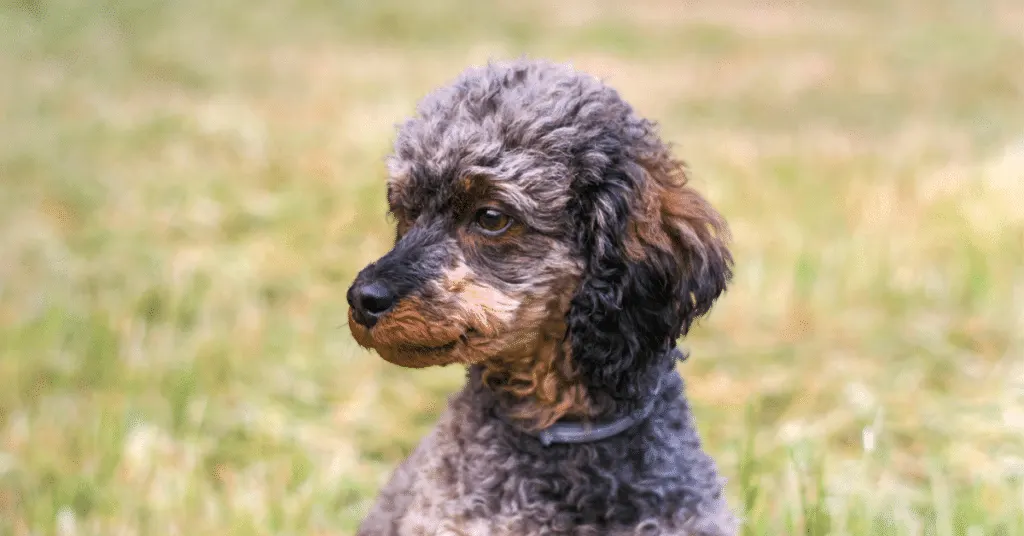
Blue & silver
Black nose
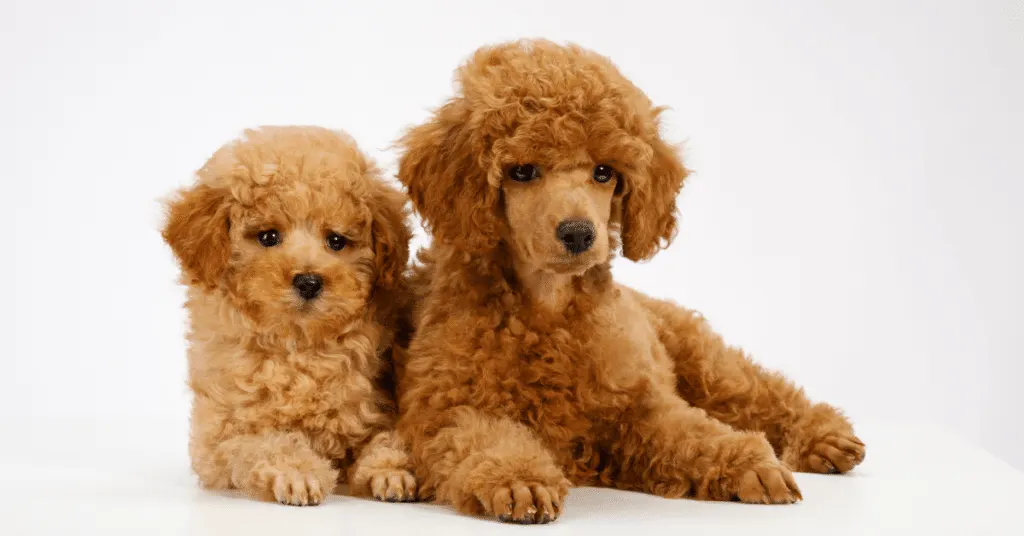
The red spectrum
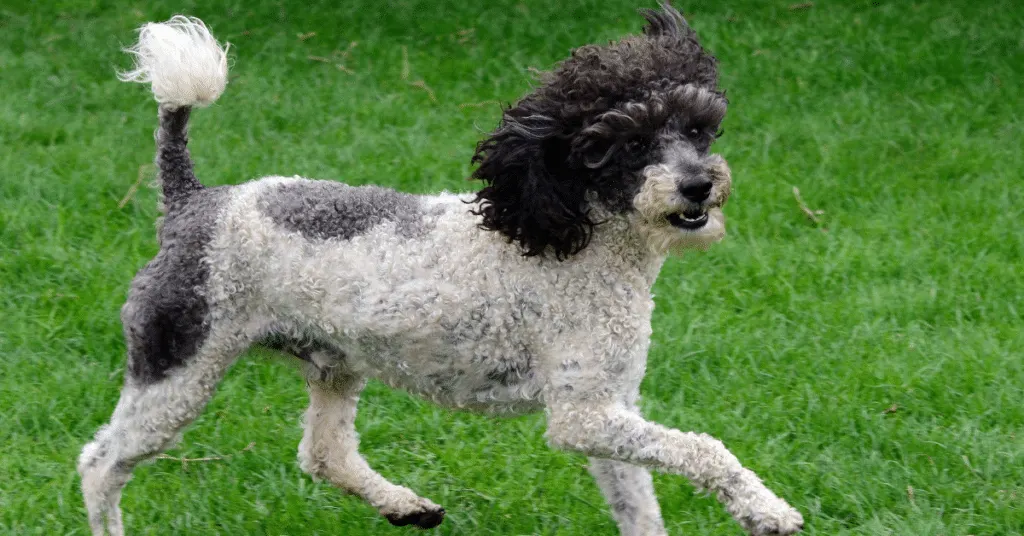
The patterned colours
Patterns are driven by the agouti gene. They are striking, but often counted as mismarks in the strict show ring.
The controversial colour: merle
If you have seen a Poodle with blue eyes and leopard spots, that is a merle. It is beautiful and it is also the most debated colour in the breed.
- Origin: the merle gene does not occur naturally in purebred Poodles. It was introduced by crossing with a merle breed such as an Australian Shepherd.
- The health risk: breeding two merles together produces double-merle puppies, which are often born deaf, blind or both.
- Recognition: merle is not recognised by the American Kennel Club.
- If you buy one: choose a breeder who tests hearing and eyesight and never breeds merle to merle. Read our full merle guide.