Grooming & Coat
Poodle Ingrown Hair: Causes & Treatment
By Marko · March 9, 2022 · Updated September 24, 2026
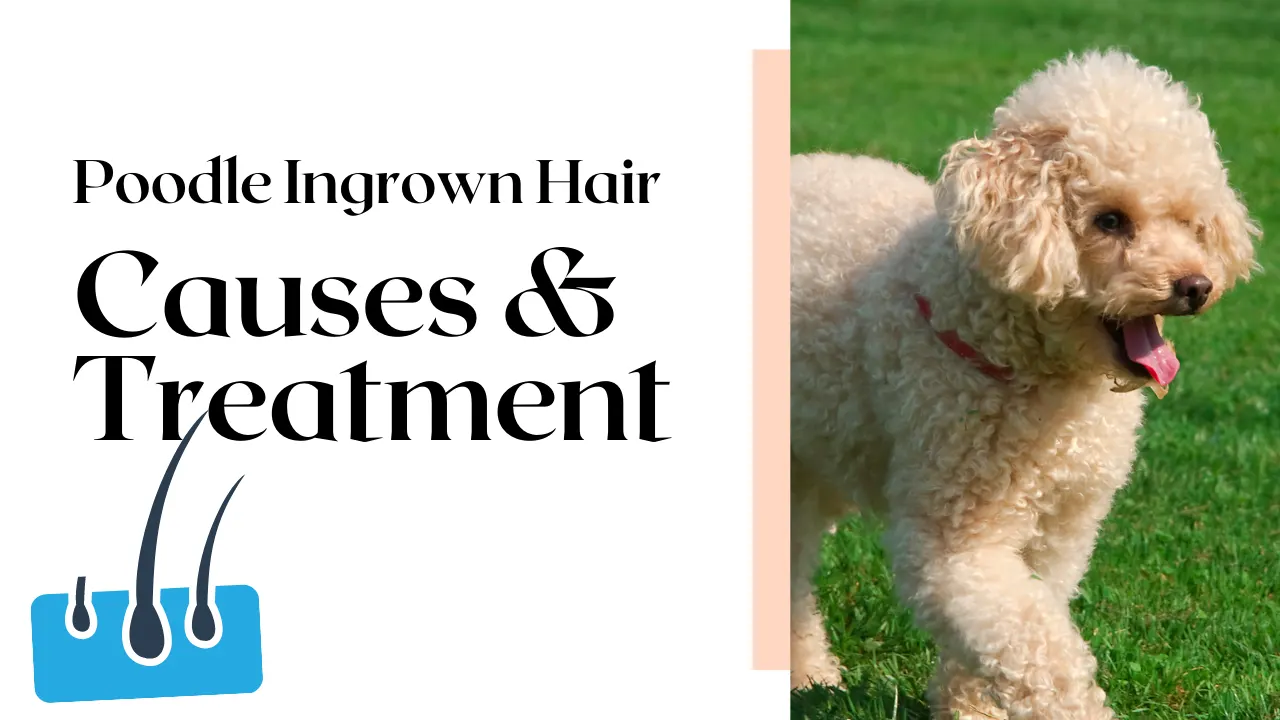
Like humans, ingrown hairs can be a challenging and niggling issue for dogs, including Poodles. This irritating issue occurs when their hair becomes trapped and grows in their hair follicle, not emerging from their layers.
For some dogs, ingrowing hairs can be no issue at all, staying in their skin for months at a time. However, with Poodles having a curly or wavy coat, there’s a higher risk of health issues like infections, cysts, and more if not addressed.
Trust me, the last thing you want is any of those to happen to your cute Poodle or Doodle. Therefore to help you as a pet owner, today we’re going to cover everything you need to know on how to identify them, causes, symptoms, and how to treat ingrown hairs.
What Will You Learn?
Key Takeaways
- Ingrown hairs often follow a close clip, when a cut hair curls back into the skin.
- They show up as a red bump, a small sore, or a spot the dog keeps licking.
- Keep clippers clean and sharp, and clip in the direction the hair grows.
- A warm compress and gentle cleaning help a mild one. Do not squeeze it.
- If the spot swells, smells or will not heal, see a vet. It may be an infection.
What are the causes?
Generally, ingrown hairs on a Poodle start to become ingrown because their pores become clogged. Some of the main contributors to clogged pores are grooming products, dead skin, debris, or all of these combined. Similarly, infected whiskers can start as ingrown hairs too!
These can all contribute to a Poodles pores being clogged, causing new hairs to grow sideways underneath the skin’s surface. The existing hair stand can also curl back and pierce the skin’s surface, growing downwards into their body. In particular, this is the most common with the Poodle as its curly hair can go back down.
Also, if you over bathe or overgrow your Poodles hair, it can cause ingrown hairs and red bumps on their skin.
Symptoms
As the ingrown hairs grow and develop, they can create pockets or bumps filled with puss. The most common symptoms to look out for are:
- Raised red bumps on their skin
- Itching and scratching
- Pus cysts
If your Poodle has ingrown hairs, it’s most likely they will start chewing and biting on their fur to try and calm their irritation. The most common areas that this happens to are between their toes, whiskers, paws, and face.
Ingrowing hair cysts
If you notice pus-filled cysts or sacks on your Poodle from ingrown hair, you should take it to a vet immediately. Often a sign of infection is a yellow-green fluid when it’s popped. If you think it’s infected, you should also take it to the vet for proper treatment.
Poodles can also experience the following conditions, which are often mistaken for ingrown hair symptoms, they are:
Acne/Pimples
Often ingrown hairs can be mistaken for dog acne. There’s also a chance your Poodle could have acne on their chin, lips, or muzzle. This is because the acne bumps look slightly similar to ingrown hair. If you’re unsure, it’s a good idea to speak to your vet.
Folliculitis
This is a primary skin infection causing their hair follicles to be inflamed. The typical symptoms are pus-filled small bumps around their follicles. Sometimes they can also contribute to hair loss.
Mange
If your dog has mites, it can create similar bumps to those with ingrown hair. When mites burrow into a Poodle, they can create inflamed bumps.
Allergies
If your Poodle has undiagnosed allergies, it may also have itchy skin, bumps, and rashes. After all, swollen bumps or pus-filled bumps on their skin do not always mean ingrowing hairs. Therefore you should always speak to your vet first.
🐩 Do dog whiskers grow back? Read this article if you want to know more.
Ingrown hairs usually follow a close clip. When the coat is cut very short, a hair can curl back and grow into the skin, or a follicle can become blocked. Shaving in the direction of growth, with clean, sharp blades, lowers the risk. Some poodles are simply more prone to it, especially where the coat is clipped tight.
How do you treat ingrown hair on a poodle?

When ingrown hair occurs, a vet can treat it by removing them with a pair of tweezers or scalpel. If they’re infected, they’ll use antibiotics and steroids in some situations. However, if you’re wanting to save money and do it yourself, you can try the following:
Brush their hair regularly
To help maintain good skin health, you’ll want to brush your Poodles coat a few times a week. Try using deep strokes with a clicker or pin brush to ensure their body oil is evenly distributed. Doing this will also help remove any dead flakes every day.
It’s important to know that a hair follicle can occur anywhere in their body; therefore, you’ll want to brush every body part. Do note that over-brushing can increase the risk of dryness of their coat; therefore use a light misting spritz.
Use high quality grooming products
Don’t use human shampoos or leave-in products, as it can contribute to an unhealthy coat and increase the risk of ingrown hairs. The shampoo you use must have the right PH balance, so their skin is not dried out. Similarly, you’ll want to use a dog-friendly non-heavy conditioner to stop their pores from becoming clogged.
Treat acne
If your Poodle has acne, you’ll want to use canine pads or wipes to help keep it controlled so you can reduce the likelihood of ingrown hair developing. If it’s more serious, then you’ll want to take them to the vet so they can be placed on medication and steroids.
Don’t pop their bumps
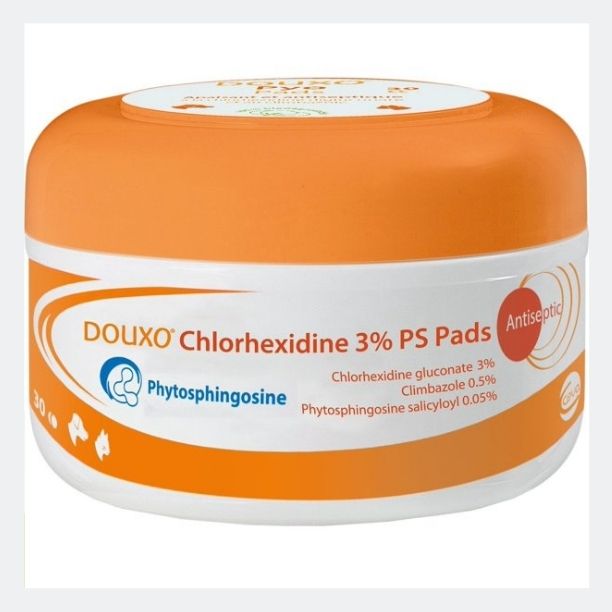
If you notice bumps or pustules on your Poodle, you must never pop them! You should also never use human methods to treat them, especially those with benzoyl peroxide. If you do this, it can irritate their skin. Again, you should use dog pads with chlorhexidine 3% if you notice a problem. These can also help treat skin infections and fungus problems and reduce the risk of bacteria growing.
Don’t over bathe
Never over bathe your Poodle, especially under 3 weeks. If you do, you can increase the likelihood of their skin drying out. If their skin drys out, it’s more than likely they can have dead skin flakes triggering a disturbance of the hair follicle’s growth. Moreover, if you leave it long for them to be bathed, it can cause a build-up of debris and their pores to be clogged, equally increasing the risk of ingrown hairs.
Conclusion
Overall, the Poodle is a breed with a higher chance of having ingrown hairs. The main signs of pus cysts, raised bumps, itching, and scratching. If you notice this, always have a further look to review their symptoms. If you feel they’re infected, never pop them; take them to the vet for a further assessment!
Often a vet will help remove the ingrown hairs with tweezers and treat them with medication. As a pet owner, though, you can reduce the risk of their ingrown hair follicles by brushing their hair a few times a week, not over bathing them, and using high-quality dog pads.
What surprised you about ingrown hair in Poodles?
Frequently asked questions
What causes ingrown hair on a poodle?
A close clip is the usual cause. A cut hair curls back into the skin, or a follicle blocks. Shaving with clean, sharp blades in the direction of growth reduces the risk.
What does an ingrown hair look like?
A red bump, a small sore, or a scab the dog keeps licking. It is often found in the armpits, groin, neck or wherever the coat is clipped shortest.
How do I treat an ingrown hair?
Apply a warm compress, keep the area clean, and let it settle. Do not squeeze or pick at it. If it swells or looks infected, see a vet.
When should I see a vet?
If the bump gets bigger, becomes painful, smells, or does not heal in a few days. An infected follicle may need antibiotics.